
Understanding the psychological triggers behind gambling behavior
 binda
binda Understanding the psychological triggers behind gambling behavior
The Nature of Gambling Addiction
Gambling addiction is a complex psychological issue that stems from various emotional and cognitive triggers. At its core, individuals often gamble to escape stress, anxiety, or boredom. The thrill of the game can momentarily overshadow real-life problems, providing a false sense of relief. This escapism can be particularly enticing, leading individuals to prioritize gambling over their responsibilities and relationships. In fact, many people are discovering how crypto casinos are changing the dynamics of online gaming, offering new experiences in a rapidly evolving landscape.

Moreover, the brain’s reward system plays a crucial role in gambling behavior. When individuals win, their brains release dopamine, a neurotransmitter associated with pleasure and satisfaction. This chemical reaction reinforces the behavior, making them more likely to gamble again in hopes of recapturing that euphoric feeling. Over time, the brain may adapt to this stimulus, requiring more significant risks or losses to achieve the same level of excitement.
The Role of Cognitive Biases
Cognitive biases significantly impact gambling behavior, often distorting an individual’s perception of risk and probability. One common bias is the illusion of control, where gamblers believe they can influence the outcome of games that are purely based on chance. This belief can lead to increased betting and deeper financial commitment, often with devastating results.
Another prevalent cognitive bias is the gambler’s fallacy, which involves the erroneous belief that past outcomes can influence future results. For example, someone might think that a slot machine is “dueâ€� for a payout after a series of losses. This misconception can drive repeated play, further entrenching the individual in a cycle of gambling that is difficult to break.
The Impact of Social Environment
The social environment surrounding gambling can greatly influence individual behavior. Factors such as peer pressure, cultural norms, and familial attitudes towards gambling can either deter or encourage participation. In environments where gambling is normalized or glamorized, individuals may feel more inclined to partake, viewing it as an acceptable social activity.
Additionally, social interactions at casinos or gambling venues can amplify the excitement, creating a communal atmosphere where individuals feed off each other’s energy. This social reinforcement can lead to increased gambling frequency and intensity, as individuals seek connection and validation within their peer groups.
The Influence of Marketing and Promotions
The gambling industry employs aggressive marketing strategies designed to attract players and keep them engaged. Promotional offers, such as bonuses and free spins, are particularly effective at enticing new customers. These incentives often exploit psychological triggers by creating a sense of urgency or fear of missing out (FOMO), encouraging impulsive decisions.
Furthermore, advertisements often depict gambling as a glamorous and rewarding activity, overshadowing the potential risks involved. This can create unrealistic expectations regarding winnings and downplay the likelihood of losses, ultimately leading individuals to develop a distorted understanding of gambling and its consequences.
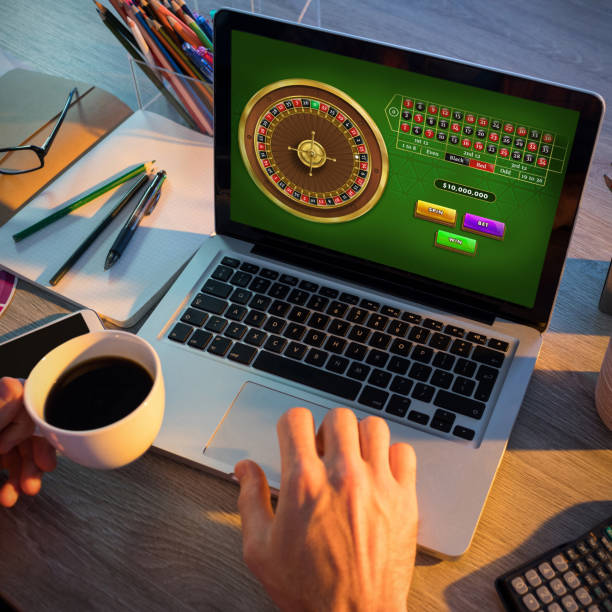
Your Resource for Responsible Gambling
Understanding the psychological triggers behind gambling behavior is crucial for making informed decisions and promoting responsible play. Our website provides a wealth of resources and expert insights aimed at helping individuals navigate the world of gambling safely. By prioritizing education, we seek to empower players to recognize the signs of problematic behavior and encourage responsible gaming practices.
In addition to comprehensive guides and analyses of the gambling landscape, we focus on supporting players in making informed choices that align with their personal values and financial circumstances. Join us in exploring the fascinating world of gambling while prioritizing your well-being and security.